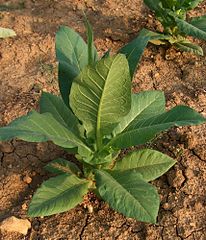
In my book, Dark Enough to See the Stars, the protagonist, Moses, lived and worked on a tobacco plantation in Maryland. He had to plant seedlings in the spring. Once the plants began to blossom, the slaves would pinch off the flowers to encourage more growth in the leaves. If the weather conditions made farming difficult, frustrated overseers would sometimes take out their anger on the slaves.
Tobacco brought in a lot of money to the early colonists, but by 1850, in Maryland, land had become rather depleted from growing tobacco year after year. The number of tobacco plantations dwindled. By 1850 the number of slaves in Maryland was dwindling as well. Plantations often could not support as large a slave population as they once did. As in the case of Moses’ mother, many slaves were sold off to southern plantations where rice and cotton crops required a lot of labor. Maryland slaves heard terrifying stories about the oppressive conditions that slaves were subjected  to in the Deep South. They considered being sold south a death sentence. At the very least, one would never hear from a loved one again. The further south a slave resided, the less chance he had to escape. Maryland, however, was next to a free state. More slaves escaped from states that bordered the north. They stood a better chance of reaching freedom.