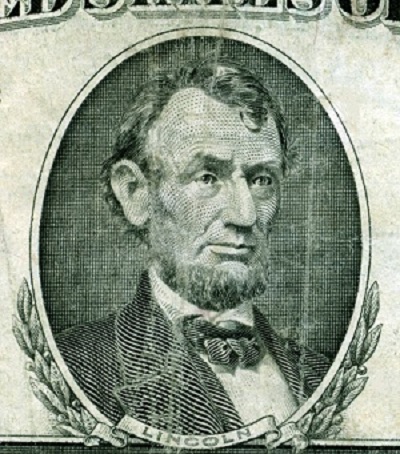
 My husband and I just finished watching a movie about Abraham Lincoln. Steven Spielberg scored again with this fascinating snippet of Lincoln’s life during the Civil War. Since my novel about the Underground Railroad, Dark Enough to See the Stars, takes place just a decade and a half earlier, I hoped to glean some more facts about the era. The movie in no way implied that Lincoln was ever a slave. However, the film did remind me of an interesting fact I learned a while ago.
Last summer when our family vacationed at the shore, we found the perfect read at the beach house. Nestled in the bedroom bookcase, my husband discovered Giants, a book that parallels the lives of Frederick Douglass and Abraham Lincoln. “Honey, look what I’ve found,” he said, knowing my interest in researching the Underground Railroad. My eyes lit up. He’d unearthed buried treasure. I could immerse myself in the nineteenth century as I soaked in the sun and watched my grandkids play in the sand.
The customs and laws about child labor in the 1800s caught my eye. I had known that laws were enacted early in the twentieth century to protect children who slaved in factories and mines. Charles Dickens, among others, wrote about this cruel treatment. However, I didn’t realize that no child, slave or free, was allowed to keep any money he or she earned. The law dictated that parents were entitled to a child’s wages, whether he worked in a factory or on a neighboring farm. Abraham Lincoln’s father hired him out many times before Abe turned twenty-one. Guess who kept all the money? Yep, his dad. This was the norm in the early nineteenth century. Maybe Lincoln wasn’t a slave, but he could have felt the injustice of work with no reward. We do know he left home at age twenty-two to seek his own fortune.
The way we treat children has certainly changed. Imagine Brittany Spears or Christina Aguilera working hard as Mouseketeers on the Mickey Mouse Club and never making a dime. A twenty-first century parent could go to jail for pocketing their kids’ cash. Hopefully, today’s moms and dads teach their children to be responsible adults by letting them manage their earnings.
A nineteenth century dad probably thought he deserved the extra dollars his children earned. After all, he fed, clothed, and sheltered them. That cost money. In ages past were children mistreated by this practice, or was it necessary for families to survive? What do you think?